
Water treatment · West Linn, OR
West Linn Water Softener Installation: Do You Need One With Soft Water?
Water softeners are sold on the promise of ending scale, spots and stiff laundry. In West Linn the first question is whether your water is hard enough to need one, because the city's supply is described as soft.
Call West Linn OR Expert Plumbers and describe the problem you are trying to solve. A plumber will tell you what is likely behind it and what a softener, a filter or a repair would do.
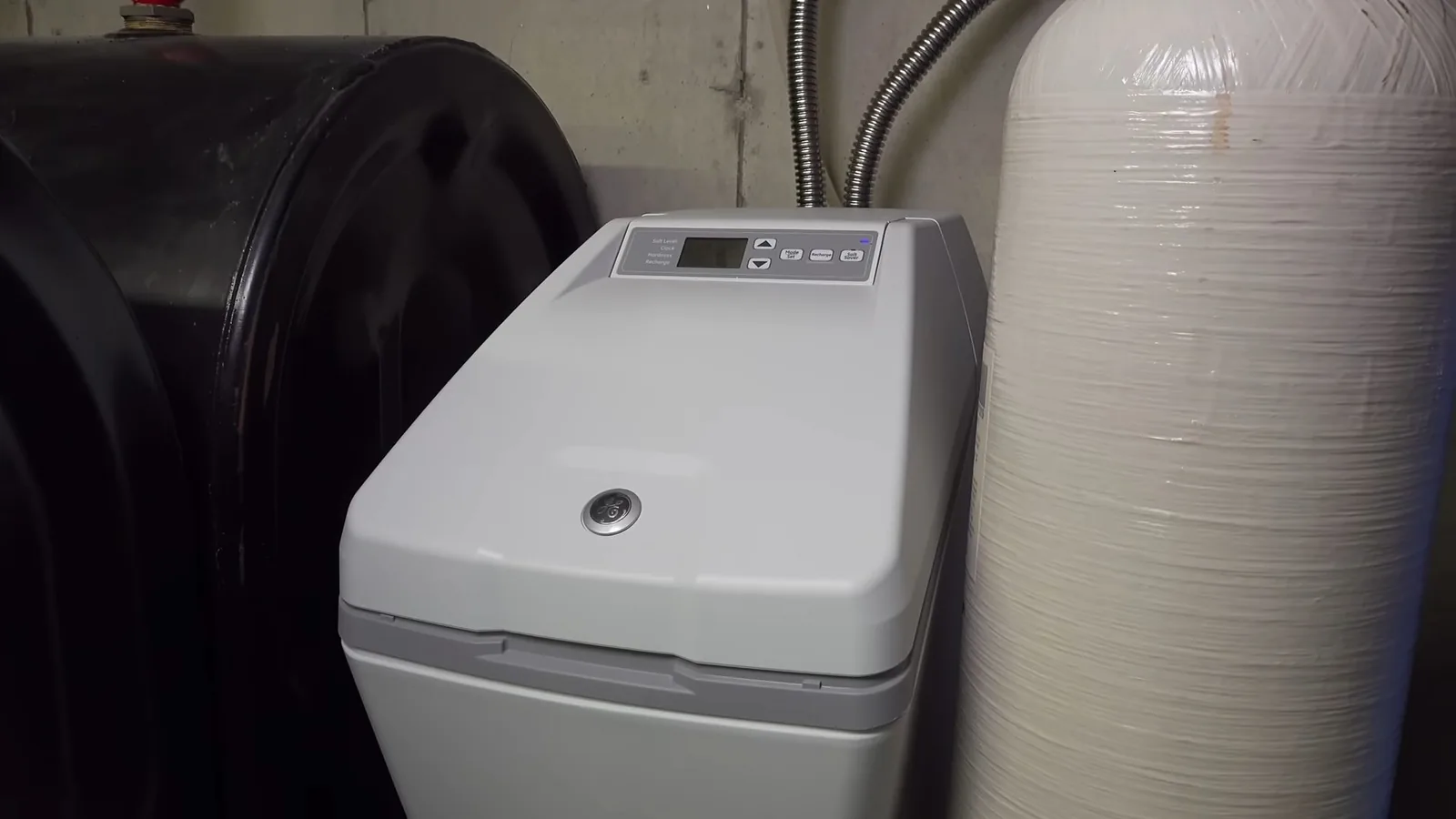
Is West Linn water hard?
West Linn's water comes from the lower Clackamas River and is treated by the South Fork Water Board at its Park Place facility in Oregon City. The City's water quality reports describe the supply as soft. Clackamas River Water, a neighboring utility drawing from the same river, reports soft water with hardness in the range of about 15 to 29 parts per million over the year.
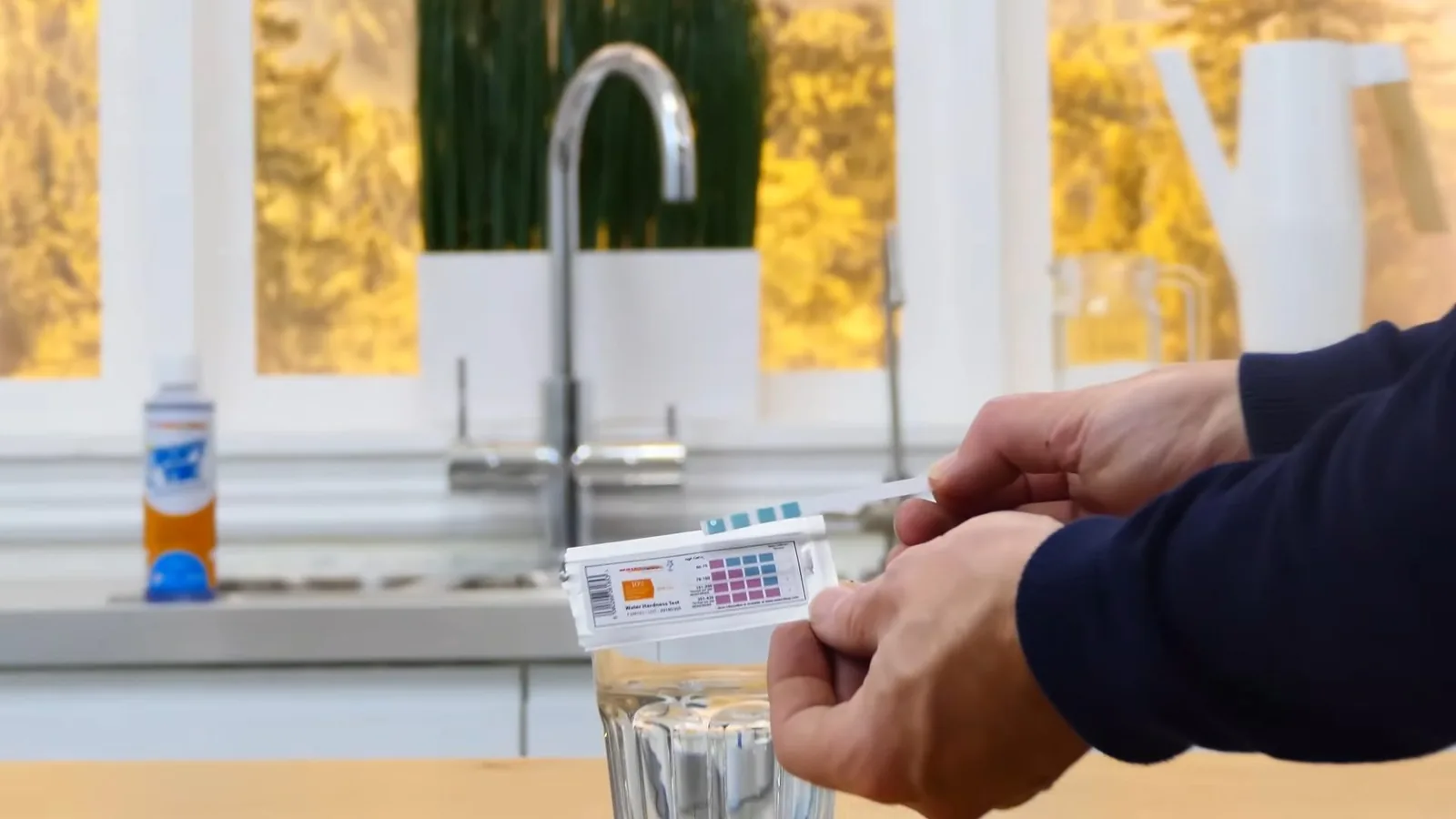
The City's 2024 water quality report lists hardness at 36 parts per million and calls the water soft. That is a figure for the supply, not for your tap, so if you want to know your own tap's hardness, a home test kit or a lab test gives a reading for your house.
Soft water means heavy mineral scale is less likely to be the cause of stained fixtures, cloudy glassware or a failing appliance. Before buying a softener, ask what test result and what problem it is meant to solve.
What a water softener does and does not do
A softener swaps the minerals that cause hardness, calcium and magnesium, for sodium or potassium using a bed of resin that is periodically recharged with salt or potassium. It targets hardness and nothing else.
- It does: reduce scale on fixtures and in heaters in hard-water areas.
- It does not: remove chlorine taste, sediment or bacteria.
- It does not: make drinking water safer, and it is not a lead filter.
- It adds: salt to buy, a drain connection for the recharge water and upkeep.
Other things that look like hard water
| What you notice | Hard water, or something else? | What to check |
|---|---|---|
| White spots on glassware and fixtures | Could be hardness, or detergent and rinse settings | A hardness test, and the dishwasher's rinse aid |
| Low flow at one faucet | Often a clogged aerator | The aerator, before any treatment system |
| Brown or orange water | Corroded pipes, not hardness | The pipe material and age |
| Chlorine taste or smell | A treatment matter, not hardness | A filter, not a softener |
| Hot water that runs out sooner than it used to | Sediment or a failing heater element | The water heater, not a softener |
If heater trouble is behind it, the page on repairing a water heater covers it.
Water filtration: a different tool for a different problem
Whole-home water filtration is not the same as softening. A filtration system addresses what is in the water, such as sediment or chlorine taste, by passing it through media or a cartridge. Water filtration installation depends on what you want removed, so start with the problem.
On lead, the City's 2023 water quality report says lead in drinking water comes mainly from service lines and home plumbing, and advises running the tap for 30 seconds to 2 minutes after water has sat for hours. If you are concerned, the report says to have the water tested. Only a filter certified for lead removal addresses lead, and a softener does not.
Salt-free conditioner claims: ask for independent test results
Some products are sold as water conditioners that use no salt. They do not remove hardness minerals the way a softener does. Their makers say they change how scale forms, and the evidence is less settled than for a salt-based softener. Ask for the independent test results behind the claim.
With soft water, any treatment system is a hard sell. Be wary of a pitch that rests on a hardness number you did not see tested, on a claim that softened water is needed to protect your plumbing or on a fear of scale the city's reports do not describe.
- Ask for a test of your own tap water, taken in front of you.
- Ask what problem the system solves and how you will know it is working.
- Ask what the yearly cost of salt, water for recharging and service will be.
- Ask what the warranty covers, and what you have to maintain.
Keeping a softener running
- Check the salt level every month or two, and keep it above the water line in the brine tank.
- Break up a salt bridge if the salt looks hard and crusted.
- Use the salt type the manufacturer specifies.
- Have the unit's settings checked against your actual hardness.
- Clean the brine tank if a layer of residue builds up.
If a softener is not needed at all, the simplest fix is to leave it bypassed or retire it. A plumber can tell you whether yours is doing anything.
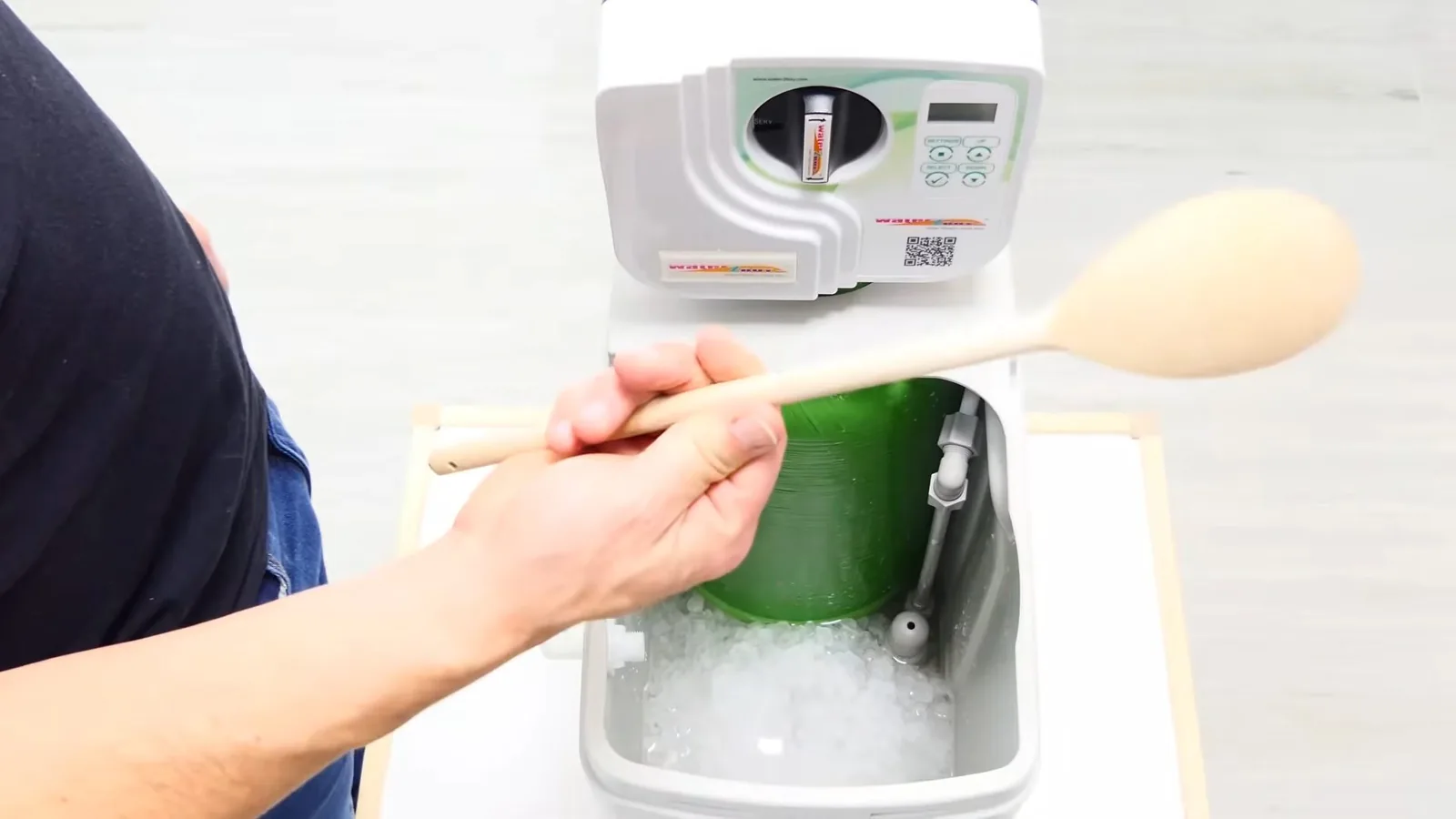
If you decide to install a softener
- Location: after the main shutoff and before the water heater, with room for a brine tank.
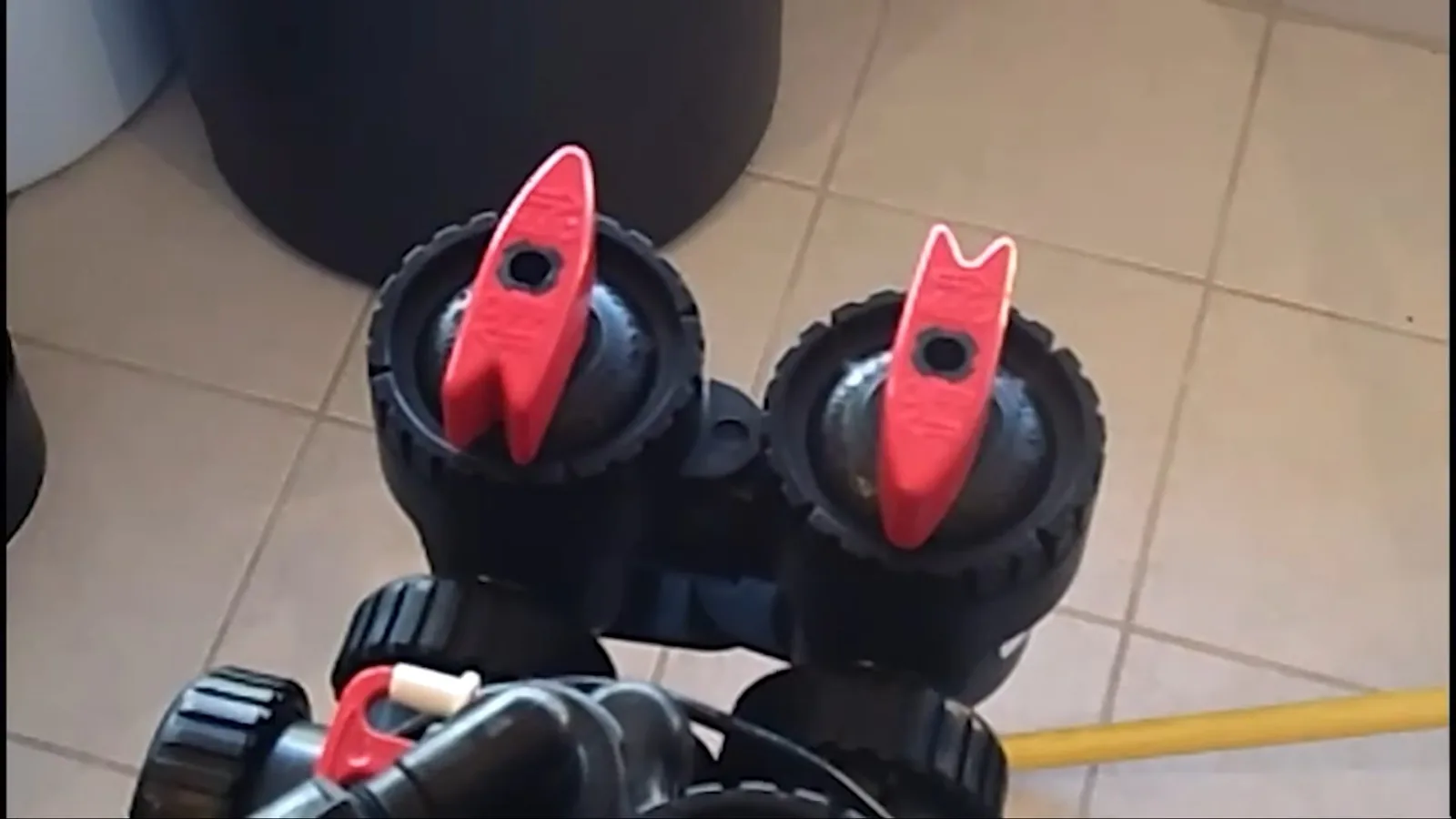
- Bypass valve: so the water can be sent around the unit for service.
- Drain and power: a drain line for the recharge water and an outlet.
- Hose bibs and kitchen cold line: ask whether outdoor taps and the kitchen drinking tap should stay on unsoftened water.
- Salt and upkeep: who adds salt, and how often the unit needs service.
A softener should be sized to your measured hardness and household water use, not to a salesperson's default.
Water softener repair
- Salt bridge: a hard crust in the brine tank that stops the salt from dissolving, so the unit stops softening.
- Resin that has worn out: the water is hard again despite a full salt tank.
- Control valve or timer problems: the unit does not recharge on schedule.
- Leaks: at the drain line, the brine line or the valve.
If you already own a softener, ask whether you need it at all, since with soft water it may be doing little. A plumber can test your water before agreeing to repair something you may not need.
What to tell us about your water
- The problem you want to solve: spots, scale, taste, stains or a failing appliance.
- Any hardness test result you have.
- Whether you already have a softener or a filter, and its age.
- Whether you are on city water.
For the background on water quality, the page on water quality questions pulls it together.
Water softener questions
Is West Linn water hard, and do I need a water softener?
The City of West Linn and the neighboring Clackamas River Water describe the supply as soft, so most households do not need a softener to control scale. If you are seeing spots or stains, test your tap first and ask what problem a softener would solve before you buy one. A filter, not a softener, handles taste or sediment.
Considering a softener? Call West Linn OR Expert Plumbers
Tell us what you are trying to fix and any test result you have. You will hear whether a softener, a filter or a repair is the better question. Before you sign anything, the plumbing cost guide is worth a look.