
Leaks under the floor · West Linn, OR
West Linn Slab Leak Detection: First Confirm Your Home Has a Slab
A warm spot on the floor, the sound of water running when everything is off, a bill that keeps climbing. Those can point to a leak under a concrete slab, or to a leak somewhere that is much easier to reach.
Call West Linn OR Expert Plumbers and describe what you notice. A plumber will start by confirming whether your house even has a slab.
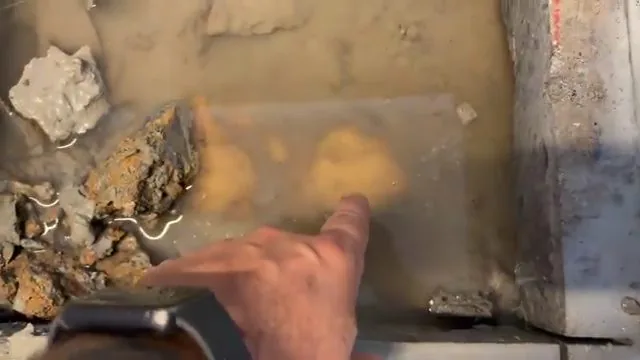
Does your home have a slab at all?
A slab leak is a leak in a pipe that runs in or under a concrete slab floor. Not every house has one. Some homes sit over a crawlspace, some over a basement, and some combine them.
No source for this page showed what share of West Linn homes sit on slabs, so it makes no claim about how common they are. What matters is yours. Look at the lowest level: a concrete floor with no crawlspace access and no basement under it suggests slab-on-grade. If you are unsure, say so on the call and the plumber can usually tell from the layout, the build year and where the pipes enter.
That check comes before any talk of slab repair, because many leaks people suspect are under a slab turn out to be in a wall, a ceiling or a crawlspace, which are far easier to fix.
Signs of a leak under the floor
- The sound of water running when every fixture and appliance is off.
- A water meter that keeps moving with everything shut off.
- A warm patch on a floor, which can suggest a leaking hot water line.
- Damp carpet, lifting or warped flooring, or a wet patch with no visible source.
- A musty smell, or mold-like staining along a baseboard.
- A water bill that rose with no change in use.
- Unexplained drops in hot water or in water pressure.
None of these proves a slab leak. The meter test on the leak detection services page narrows it down, and it is the first thing to do.
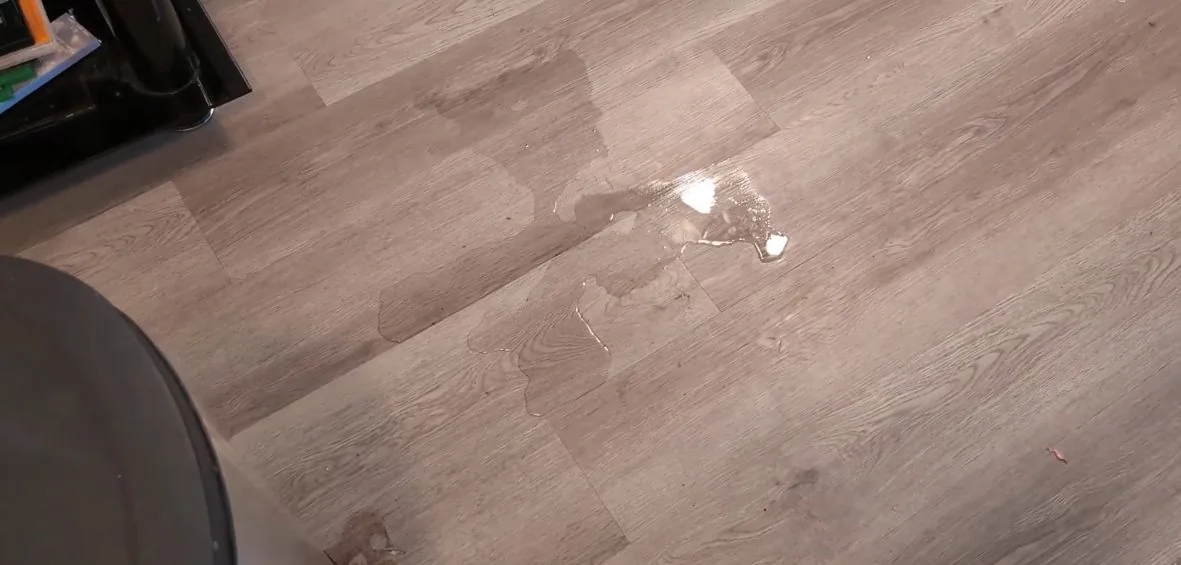
If water is visibly flowing or pooling: shut off the main water at the house, then call. Do not cut into a concrete floor yourself.
How a slab leak is pinpointed
The aim is to find the leak with as little cutting as possible. The usual approach combines a few steps.
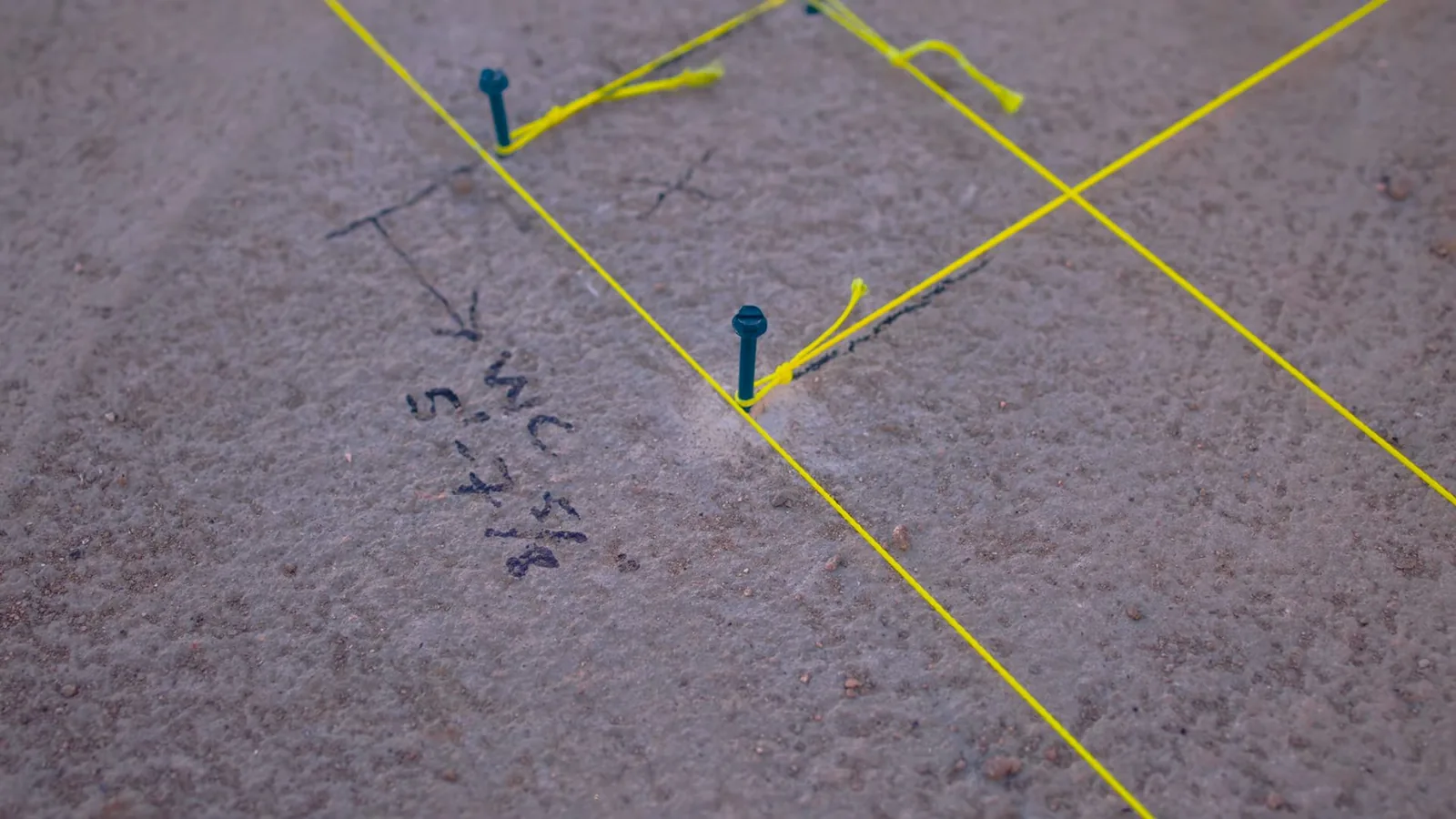
- Confirm the water is leaking. A meter test with everything off shows whether water is escaping.
- Isolate the line. The plumber closes off sections to see whether the leak is on the hot line, the cold line or the main line.
- Listen and scan. Acoustic listening devices and thermal imaging help locate the spot on the floor above the pipe.
- Mark and confirm. The location is marked and double-checked before anything is opened.
Ask what finding the plumber based the location on. A confident spot on a floor should come with a reason.
Repair options once the leak is found
| Option | What it means | Worth asking |
|---|---|---|
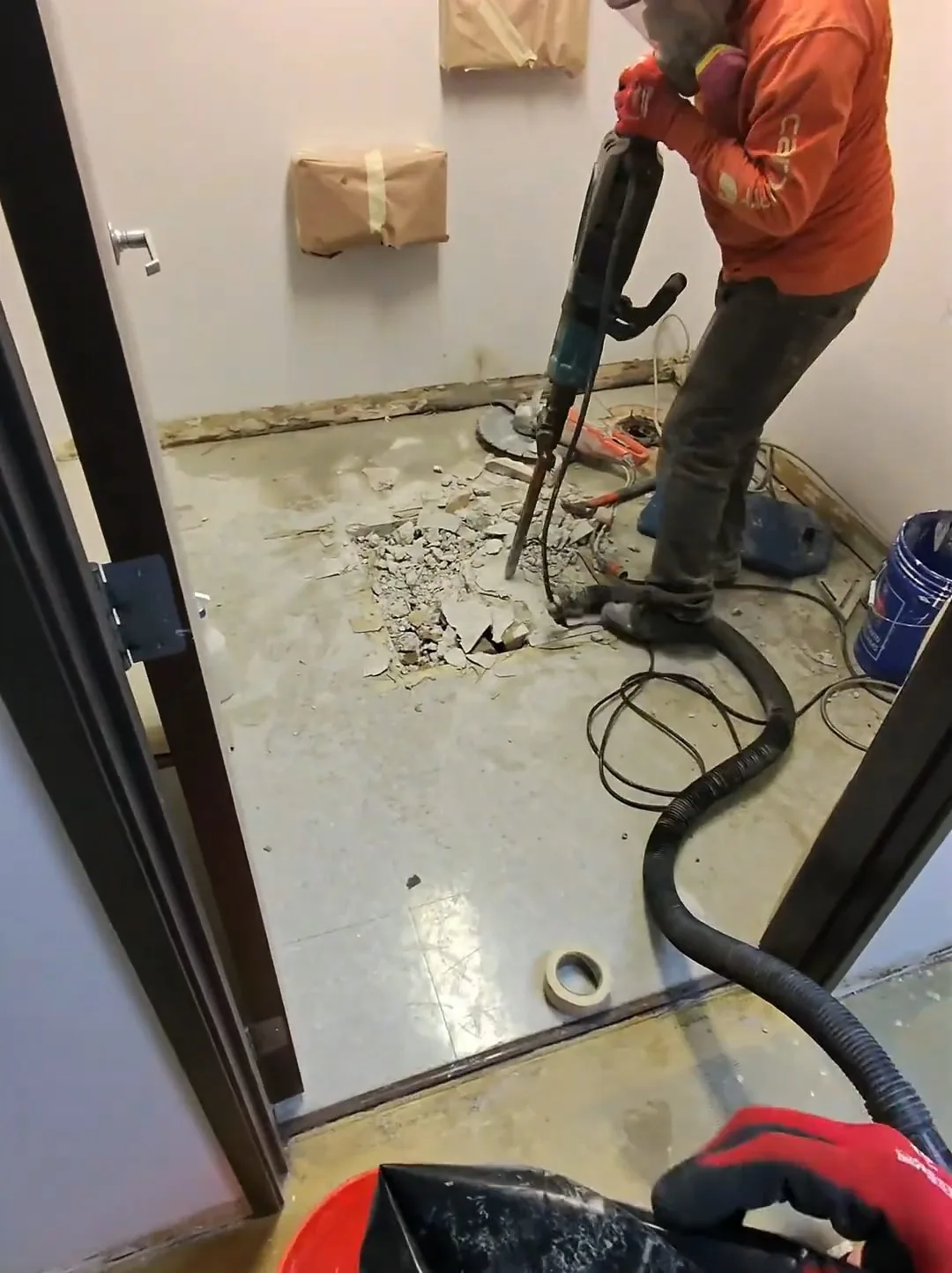
| Spot repair through the slab | Breaking the concrete over the leak and repairing the pipe | How much floor is opened and who restores it |
| Rerouting | Running a new line through walls or the attic and abandoning the leaking section under the slab | Where the new line will run and what is opened to run it |
| Replacing the line | Replacing the affected line, or more of the supply lines if they are in poor shape | Whether the pipe condition points to more leaks soon |
Rerouting avoids breaking the slab, which is why trenchless slab leak rerouting is often considered. It is not always the cheapest or the best fit, so ask for the options in writing with the reasons.
If a plumber says several lines are failing, the question becomes whether to keep repairing. The whole-house repiping page covers that decision.
Foundation, soil and slab type: what to ask
Water under a slab can soften the soil that supports it, so a long-running leak is worth taking seriously. If you see new cracks in the floor or walls, doors that stick or a floor that has shifted, say so on the call. A plumber can find a leak, but a structural concern is for a foundation specialist or engineer to judge.
A foundation leak inspection in this context means finding the pipe leak that could be wetting the soil. It does not replace a structural assessment, and slab leaks affecting home foundations are for an engineer to judge if cracking or movement shows up.
Slab leak articles often mention caliche soil, post-tension slabs and midcentury slab construction. Those come from other regions, and nothing found for this page shows them to be common in West Linn. The useful questions are about your own house: when it was built, what kind of slab it has and whether it was poured with post-tension cables in it.
That last point matters for safety. Cutting into a post-tension slab can hit tensioned cables, so it should never be a do-it-yourself job, and any plumber should confirm what is in the slab before cutting.
Slab leak or another leak: a quick comparison
| Where the leak is | What you may notice | How hard to reach |
|---|---|---|
| Under the slab | Warm floor spot, sound of water under the floor, meter moving | Hardest: concrete has to be opened or the line rerouted |
| In a wall | Damp or stained wall, musty smell, bubbling paint | Moderate: a section of wall is opened |
| In a ceiling | Stain or bulge, often below a bathroom | Moderate: a section of drywall is opened |
| In a crawlspace or basement | Damp framing, musty smell, drips from pipes | Easier: pipes may be visible and reachable |
| Outside, before the house | Wet or green lawn, meter moving when the main at the house is off | Depends on depth and what is above it |
That comparison is why the first call should describe what you notice and not assume a slab leak. A plumber can often rule options in or out before anyone picks up a tool.
After the repair: testing and floors
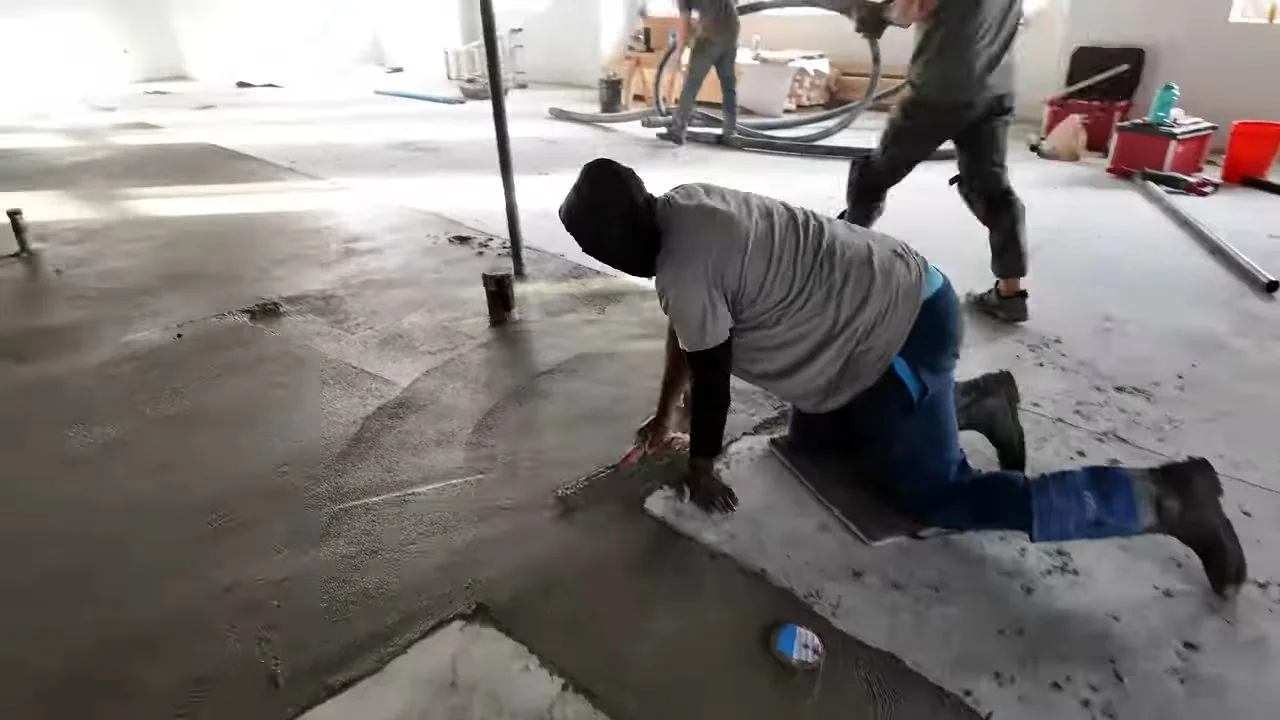
Once the pipe is repaired or rerouted, the line should be pressure tested to confirm the leak is gone before anything is closed up. Ask who restores the floor, whether flooring will match and what happens to any flooring that was already wet.
Insurance and records
Homeowner policies treat sudden leaks and long-term seepage differently, and what yours covers is in the policy. Before an opening is cut, call your insurer to ask what documentation it wants, and keep the plumber's findings, photos and invoices. This page cannot say what any particular policy covers.
Commercial buildings and large leaks
This page is written for homes. If the building is commercial, or the leak is large, mention that on the call because the access, the equipment and the repair approach can be different.
Details for a slab leak call
- The meter test result: moving or still with all water off.
- What you saw or heard, and where on the floor.
- The year the house was built, and whether you know it has a slab.
- Whether you have shut off the main.
- Any new cracks or floor changes.
If water has already reached flooring or walls, the water removal and drying page explains what drying involves.
Slab leak questions
How can I tell whether a leak is under a slab or somewhere else in my home?
First confirm that your home has a slab at all. Then run the meter test: if the meter moves with all water off, there is a leak. A warm floor spot or the sound of running water under the floor suggests a slab leak, but leaks in walls, ceilings and crawlspaces are common and easier to reach, so a plumber confirms the location before anything is cut.
Think there is a leak under the floor? Call West Linn OR Expert Plumbers
Tell us what you noticed, what the meter did and whether the house has a slab. You will hear how a plumber would confirm and locate the leak before any floor is opened. The cost range guide shows how plumbing quotes are built.