
Water removal and drying · West Linn, OR
West Linn Water Damage Restoration: Drying Out After a Leak or Flood
Water on the floor is the part you can see. The harder part is what it soaked into: carpet pad, baseboards, drywall and the subfloor underneath.
Call and describe what got wet, where the water came from and whether it has stopped. You will hear what to do while you wait and what the drying will involve.
Stop the water first: whose job is that?
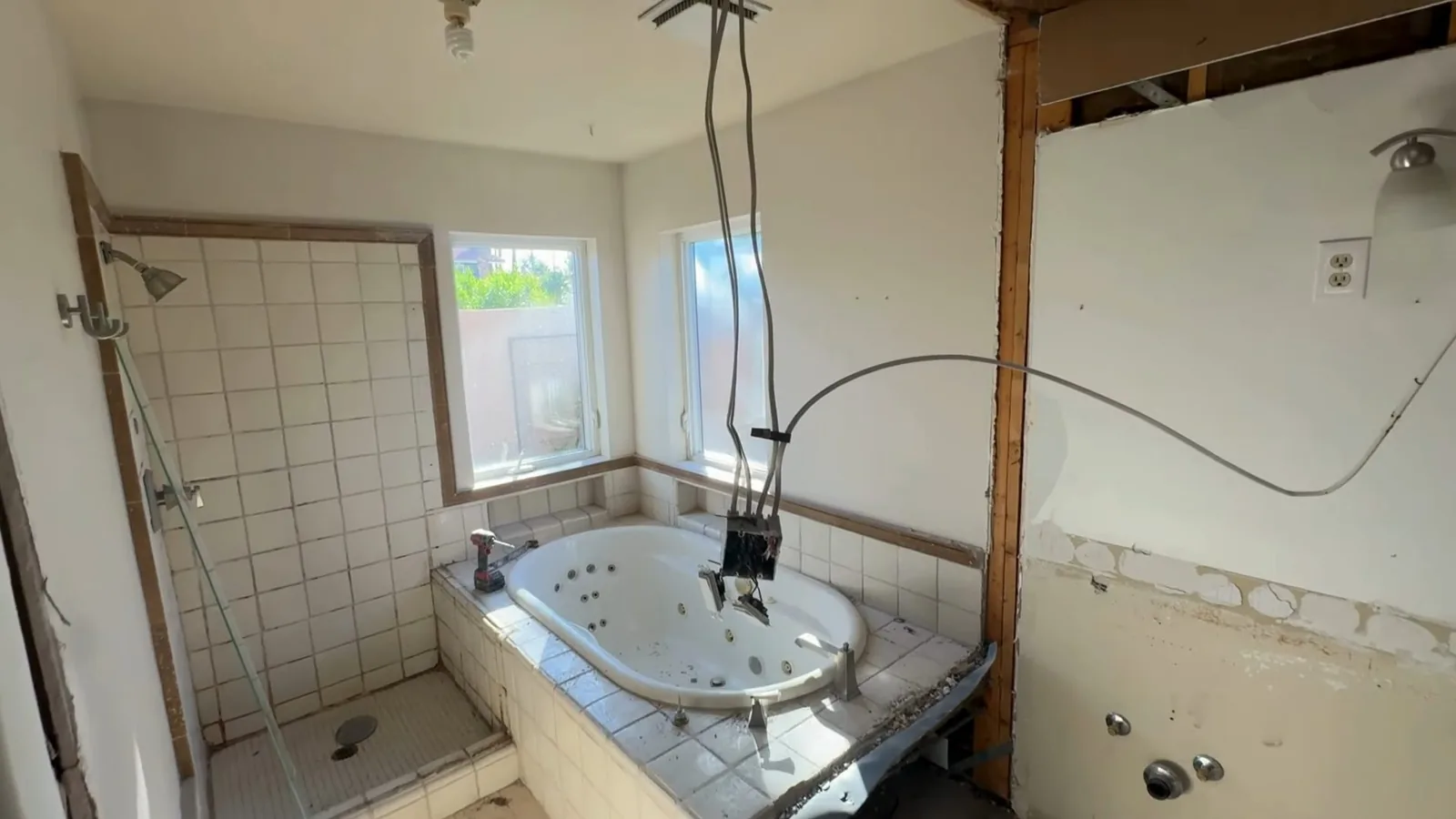
Drying cannot start while water is still coming in. Close the main water shutoff, or the shutoff valve at the fixture if the leak is at one spot. If you cannot find the source, close the main and leave it closed.
This page covers the damage side: removing water and drying what it reached. The plumbing repair that stops the leak is a separate job. See broken pipe repair for a broken pipe, and finding a hidden leak when you cannot tell where the water is coming from.
Keep clear of electrical items that are wet or standing in water. If water is reaching an outlet, a panel or a ceiling light, stay out of that area and say so on the call.
Clean water or sewage: why the source decides the plan
Water from a supply line is different from water that came up through a drain. The source decides how the cleanup is done and what can be saved.
The U.S. Environmental Protection Agency says that if the water is contaminated with sewage, protective equipment and containment are required, and fans should not be used until the water is known to be clean. Treat any backup from a floor drain, tub or toilet as contaminated, stay out of the area and keep children and pets away.
A sewage backup has two jobs. The line has to be cleared or repaired, and the affected area has to be cleaned out. In West Linn the pipe from the house to the City main belongs to the property owner (West Linn Code §4.045), so start with the page on sewer line inspection and repair to find out where the blockage is.
How fast does drying need to start?
The EPA says that in most cases mold will not grow if wet or damp items are dried within 24 to 48 hours. That window is the reason to call the same day, even when the water looks like it has gone.
Drying is not just wiping and opening windows. Water that reaches a wall or subfloor keeps moving into the material after the surface looks dry.
- Remove standing water. Pumps or extractors take out what is on the floor.
- Take moisture readings. Readings show what is wet behind the surface, in walls and under flooring.
- Remove what cannot be saved. Saturated carpet pad and soaked drywall at the base of a wall are common examples.
- Dry with air movers and dehumidifiers. Moving air and removing moisture from the air pulls water out of what remains.
- Check again. Readings are taken again until the structure is dry.
Materials table: what dries in place and what gets removed
Each material behaves differently, and the source of the water changes the answer. This table is a general guide. Readings on your own house decide.
| Material | Often dried in place | Often removed |
|---|---|---|
| Carpet | Carpet over clean water, if it is dried quickly | Carpet pad, and any carpet that took sewage or sat wet for days |
| Hardwood and wood flooring | Boards that have only started to lift or cup, dried slowly | Boards that have buckled or warped and will not settle back |
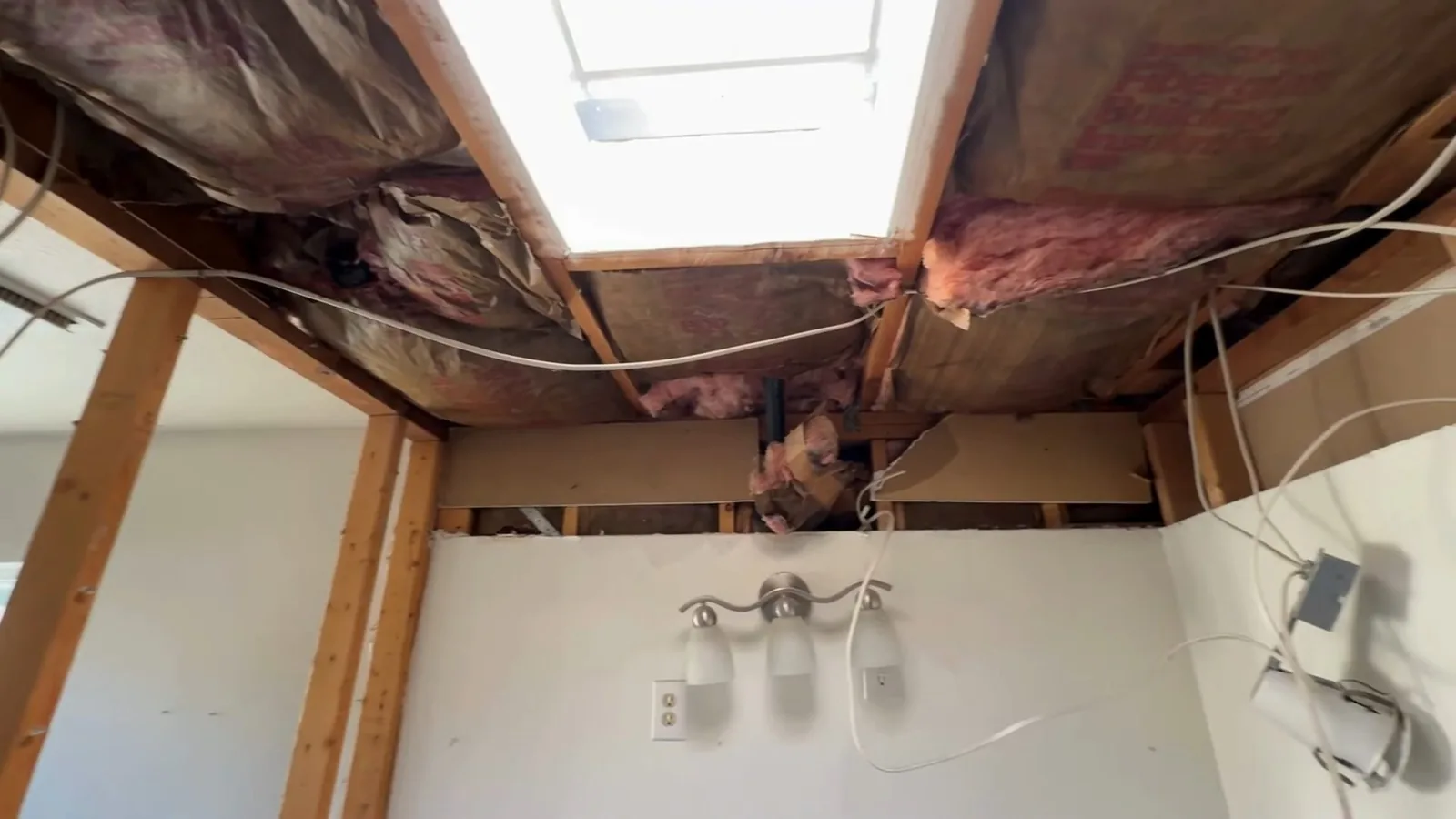
| Ceiling | A stain with no sag, once the source is stopped and the cavity dries | A sagging or bulging section, which can hold water and may fall |
| Walls | Drywall that is only damp at the surface, when readings agree | Saturated drywall and wet insulation, cut out to let the wall dry |
Carpet water damage
Carpet and its pad are different problems. The pad holds water like a sponge and is often removed even when the carpet is saved. Carpet that took sewage is usually not saved.
Hardwood floor water damage
Wood floors react slowly. Boards can cup or lift days after the water is gone, so a floor that looks fine on day one is not finished. Replacing or refinishing the boards afterward is rebuilding work, not drying.
Ceiling and wall water damage
A bulging ceiling can hold a lot of water. Stay out from under it and call. Wall cavities hide wet insulation, which is why readings matter more than what the wall looks like.
Storms, flooding and ice dams
Water that came from a plumbing source and water that came from outside need different handling. A burst pipe, a supply line failure and a failed appliance are plumbing sources. Storm runoff and flood water are outside sources, and they are more likely to carry contamination.
Freezes cause hidden plumbing water damage. After the January 2024 winter storm, pipes burst across the Portland area, and a pipe that cracked while frozen can start leaking only when it thaws. If a freeze has just ended, check the ceilings and walls below any exposed pipe.
Ice dams are a roof problem. A roofer and your insurer deal with the cause, and drying the interior afterward is the work this page covers.
Basement and bathroom water damage: where the water hides
Basement water damage often starts with a failed supply line, a leaking water heater or a sewage backup, and the water settles at the lowest point. Carpet pad, the bottom of drywall and stored boxes soak it up first.
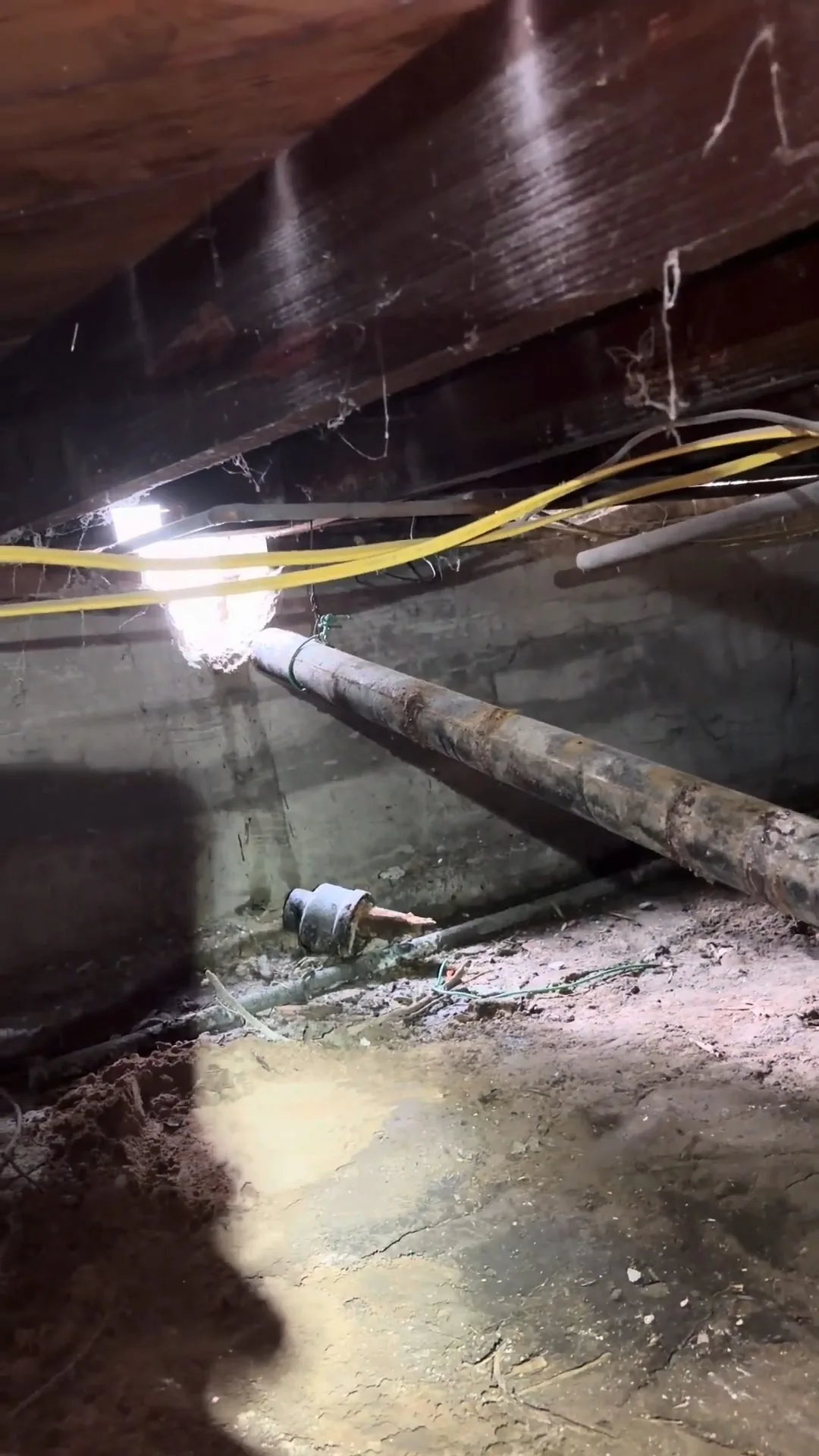
Bathroom water damage is usually slower. A leaking toilet seal, shower valve or supply line can wet the subfloor and the ceiling below long before a stain shows. Tell the plumber which fixture was involved so the source is found and stopped before drying starts.
In both places the order is the same: stop the water, find out whether it was clean or contaminated, remove what cannot be dried, then dry the rest. Uncontrolled moisture left behind a wall is what turns a one-day problem into a repair job.
Mold after a leak: why quick drying matters
Quick drying is the best protection against mold. That is the reason for the 24 to 48 hour window above.
Removing mold that has already grown is a separate specialty, and this page does not cover it. If you see mold, or smell it, say so on the call so the right next step can be worked out.
Commercial water damage is scoped differently from homes
This page is written for homes. If the water is in a business, tell the person who answers. Commercial drying is scoped differently, and the details need to be settled on the call.
Photos and insurer documentation before anything is removed
Take photos of the water, the source and the damage before anything is moved or thrown out. Ask your insurer what documentation it needs, and keep damaged materials until it says you can discard them.
Drying and removal are the work here. Rebuilding afterward, such as replacing drywall, painting or installing new flooring, is a different trade and is not part of this service.
Water damage restoration questions
After a leak, what is plumbing and what is water cleanup?
Plumbing stops the water: it finds the source and repairs the pipe, fixture or line. Water cleanup removes the water and dries what it soaked into. You need both, and the leak has to be stopped first. This service covers removal and drying, not rebuilding walls or floors.
Water damage in your home? Call now
Describe where the water came from, whether it has stopped and what it reached. You will hear what to do while you wait and what the drying will involve. For a leak that has not been found yet, see leak detection first.