
Bathroom plumbing · West Linn, OR
West Linn Toilet Repair: Running, Clogged and Leaking Toilets, Plus Replacing One
A toilet that keeps running, one that will not flush, or one that leaks at the base. Most of these are simple parts, and a few of them can quietly waste a lot of water.
Call West Linn OR Expert Plumbers and describe what the toilet is doing. A plumber will tell you what to check first and when it is time to bring someone in.
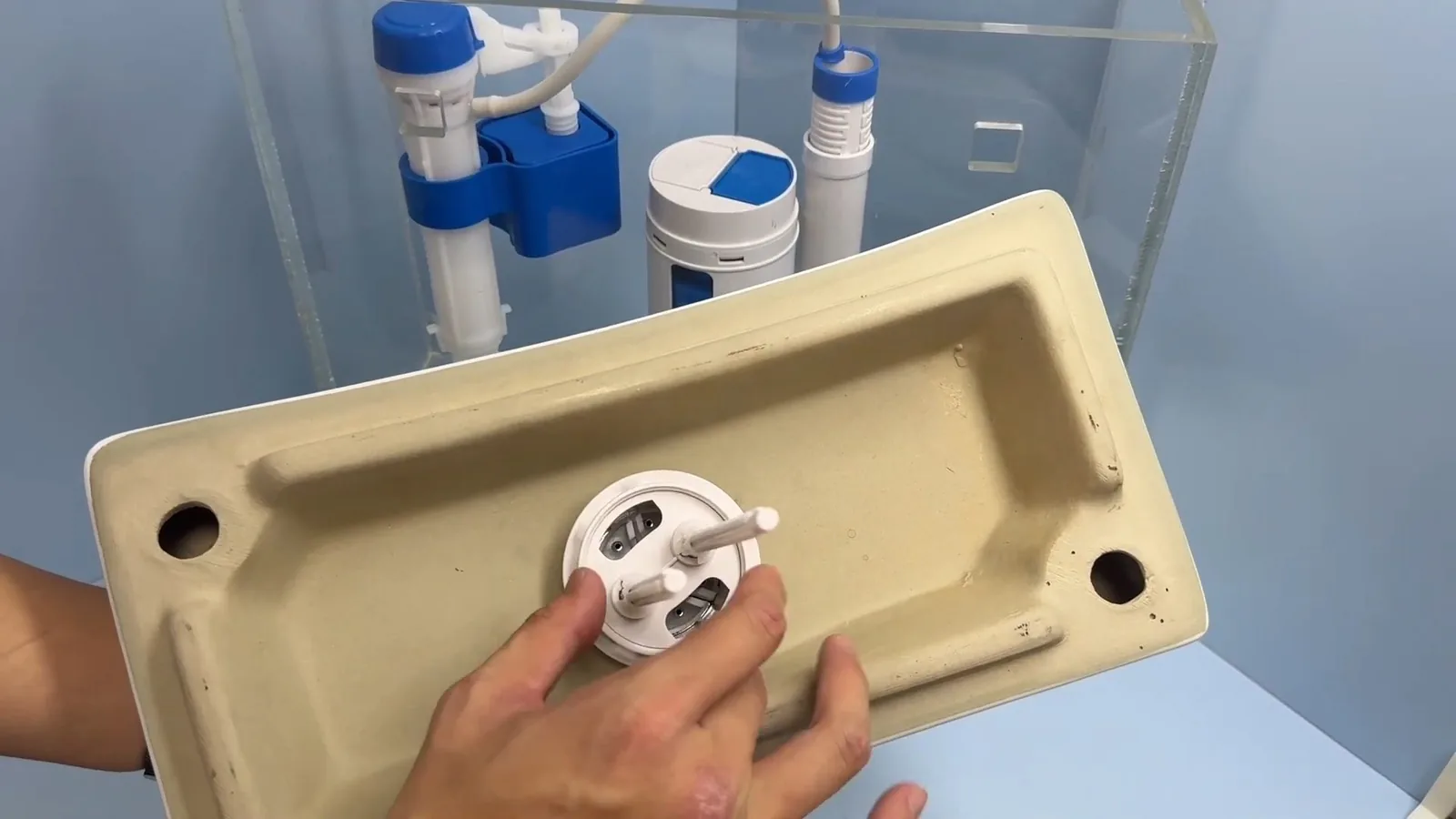
A running toilet: the silent leak
A toilet that runs on its own, refills now and then or hisses is wasting water, even if it never overflows. It is also one of the most common reasons for a bill that rises with no visible leak.
How to test a toilet for a silent leak
Wilsonville's utility billing page suggests adding a few drops of food coloring to the tank without flushing. If color shows up in the bowl within about 10 minutes, the tank is leaking into the bowl. It also notes that if you close the toilet's shutoff valve and the meter stops moving, the toilet was the leak.
What usually causes it
| What you notice | What is usually wrong | The repair |
|---|---|---|
| Water trickles into the bowl, or the tank refills now and then | A worn or warped flapper, or a flapper chain that is too tight or too loose | Replace the flapper or adjust the chain |
| The tank keeps filling and the fill valve hisses | A worn fill valve or a float set too high | Replace the fill valve or lower the float |
| Water runs down the overflow tube | The water level is set above the tube | Lower the water level |
| Handle sticks or does not return | A worn lift chain or handle connection | Adjust or replace the parts |
Toilet tank and fixture repair is mostly these inexpensive parts. If you want to try it yourself, close the shutoff valve at the wall first and flush to empty the tank.
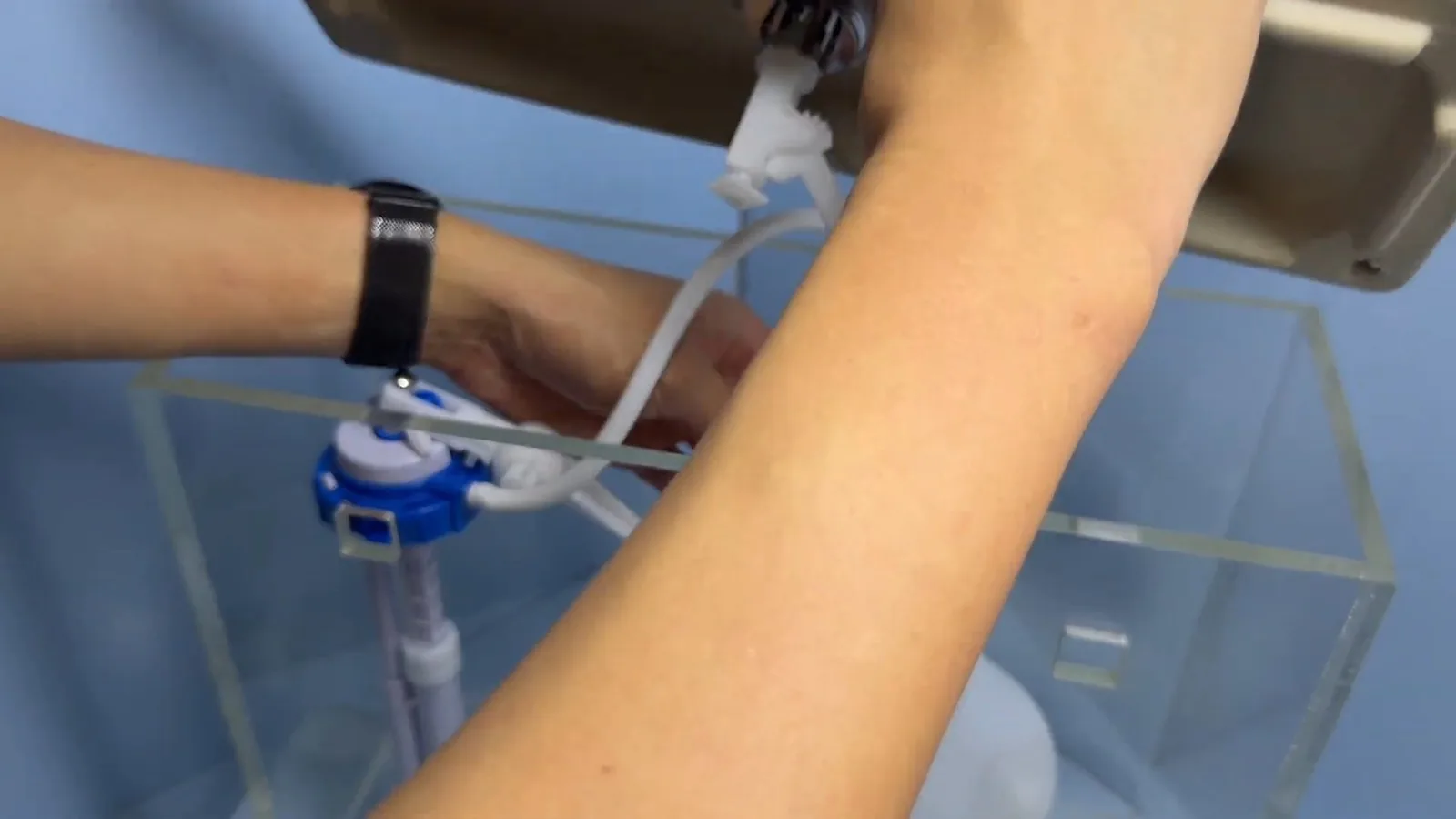
A weak flush, a sweating tank and a toilet that flushes by itself
- Weak flush: check that the tank water level is at the fill line, that the flapper lifts fully and that the small holes under the rim are not clogged with mineral deposits.
- Sweating tank: in humid weather the cold tank collects condensation that drips onto the floor and looks like a leak. Wipe it dry and check again an hour later.
- Flushing on its own: a toilet that refills now and then without being touched, sometimes called a ghost flush, usually has a slow flapper leak.
- A bowl that fills slowly after flushing: this can point to a blocked rim hole or a partial clog further down.
A clogged toilet: what to try before calling
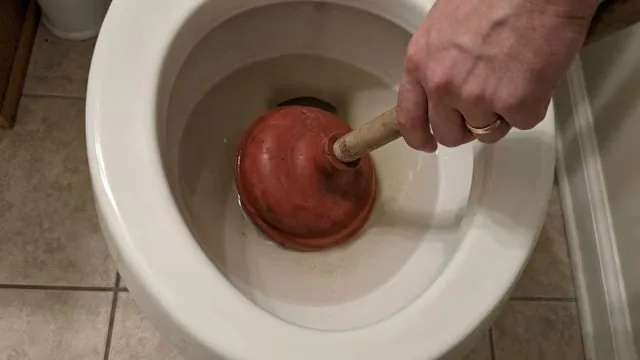
A toilet that will not clear is the one repair most homeowners try first, and a flange plunger often works.
- Stop the flow. If the bowl is rising, lift the tank lid and push the flapper closed, or close the shutoff valve at the wall.
- Plunge properly. Use a flange plunger sealed over the drain opening and push and pull steadily, keeping the cup under water.
- Try a closet auger. A toilet auger, made for the bowl, reaches past the trap without scratching the porcelain.
- Stop flushing. Every flush adds water that may spill over if the clog is not cleared.
If other drains in the house are slow or gurgling at the same time, the clog is probably further down the line, which the page on sewer line problems explains. A toilet that clogs again and again is also worth a closer look.
Call now if the toilet is overflowing, if sewage is backing up through a tub or floor drain, or if water is coming through the ceiling below. Close the shutoff valve at the toilet and stop using water.
Toilet leaking at the base or from the supply line
Water around the base of a toilet can come from three places: the supply line and shutoff valve, the tank bolts, or the seal under the bowl. A sweating tank can also drip and look like a leak.
- Supply line or shutoff valve: water appears at the wall or on the supply tube. Tighten, or replace the line.
- Tank bolts or tank-to-bowl gasket: water drips from where the tank meets the bowl.
- Wax ring at the base: water seeps around the foot of the bowl, especially after flushing. A failed wax ring needs the toilet lifted and reset.
A toilet that rocks, or a floor that feels soft near it, needs attention. A leak at the base can soak the subfloor, and the page on water removal and drying covers what comes after.
Toilet installation, replacement and relocation
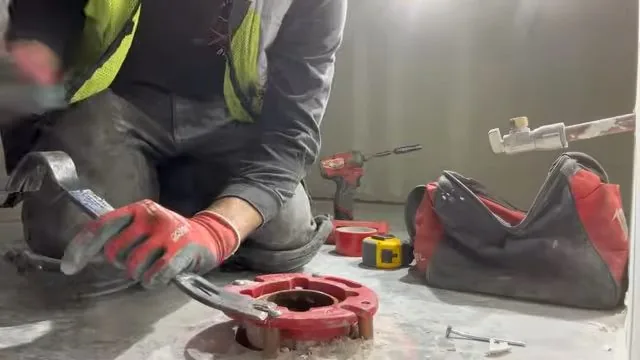
Replacing a toilet in the same spot is a smaller job than most people expect. The plumber shuts off and disconnects the water, lifts the old toilet, checks the flange, sets a new wax ring and the new bowl, and reconnects the supply.
- Rough-in: the distance from the wall to the drain decides which toilets fit.
- Flange condition: a cracked or corroded flange has to be repaired before a new toilet sits on it.
- Dual-flush toilets: these have two flush options. Installation is the same as for other toilets, and the model has to suit the rough-in.
- Tall or comfort-height bowls: a taller bowl changes the toilet's position and height, not the plumbing.
Relocating a toilet is a different job. Moving it means moving the drain, which touches the drain piping in the floor, and that work usually needs a permit. Ask the plumber who pulls it and ask the City of West Linn Building Division or the permit office it directs you to how inspections work.
Toilet supply lines and shutoff valves
The braided line from the wall to the tank and the valve it connects to fail more often than the toilet itself. A line that is kinked, corroded at the nut or bulging should be replaced, and the valve behind it should close all the way.
If the shutoff valve does not stop the water, a toilet repair has to wait until the water to the house is closed at the main, which is another reason to find and test your main shutoff now.
Details that help a toilet call
- Whether it runs, clogs, leaks at the base or leaks at the tank.
- Whether the shutoff valve works.
- Whether other drains in the house are also slow.
- The age of the toilet, and whether it is a standard or dual-flush model.
- A photo of the tank and the base.
For a leak at a sink or a tub, see the page on sink and faucet repair.
Toilet questions
Why does my toilet keep running or refilling on its own?
Usually the flapper is worn or warped and lets water leak from the tank into the bowl, or the fill valve or float is set wrong. Put a few drops of food coloring in the tank without flushing. If color reaches the bowl within about 10 minutes, the flapper is leaking. Replacing the flapper or the fill valve is a common, inexpensive repair.
Toilet running, clogged or leaking? Call West Linn OR Expert Plumbers
Tell us what the toilet does and where any water shows. You will hear what to check first and whether a visit is needed. If a leaking toilet is why your bill rose, checking the meter first helps.