
Supply pipes · West Linn, OR
West Linn Repiping: Old Supply Pipes, PEX and When Replacing Beats Patching
One pinhole leak is a repair. Leak after leak, low pressure at every tap or discolored water from a pipe that is past its years raises a bigger question: keep patching, or replace the supply lines?
Call West Linn OR Expert Plumbers and describe what is happening. A plumber will tell you what to check and whether replacing the lines makes sense for your house.
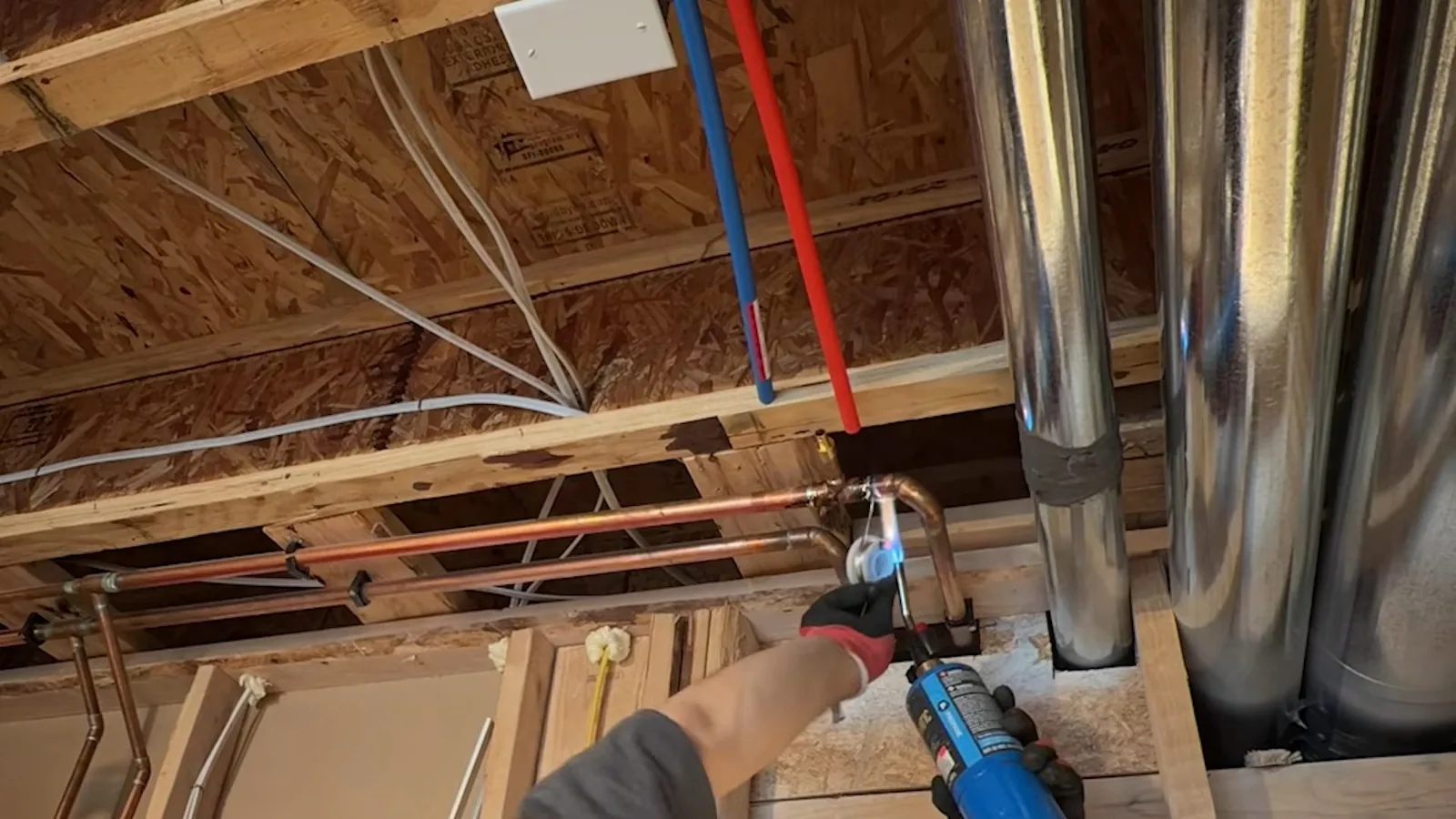
What repiping means and what it does not
Repiping replaces the water supply lines in a home: the pipes that bring pressurized water to faucets, fixtures and appliances. It does not replace drain and sewer lines, which carry waste away. For those, see the page on sewer lateral repair.
A whole-house repipe replaces most or all of the supply lines. A partial repipe replaces one section, for example the line to a bathroom that keeps leaking. Neither is the same as fixing a single leak.
Signs that your supply pipes may be failing
- Repeated leaks, especially pinholes, in different places.
- Low water pressure at several fixtures, not only one.
- Discolored, brown or rusty water, particularly in the morning.
- Visible corrosion or green or white mineral crust on pipes.
- Pipe that looks gray, blue or black plastic, which can be an older plastic pipe.
- A bill that rises with no change in use, and no leak you can see.
One sign is not a verdict. A single leak in an otherwise sound line is usually a repair. The hidden leak help page explains how to test for a leak first.
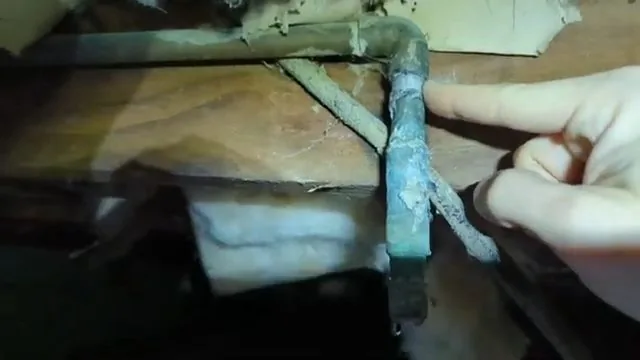
Polybutylene pipe: could your home have it?
Polybutylene, often called PB, is a gray, blue or black plastic supply pipe that was installed in homes from about 1978 to 1995. It is often marked with the letters PB or the name Qest, and plumbing guidance recommends having a plumber inspect it.
Whether West Linn homes have it is not established. The question matters because, according to Census-based figures reported by a demographics site, most West Linn homes were built between the 1970s and the 1990s. That makes the question worth asking about your own house: when was it built, and what are the supply pipes made of?
Look where the pipes enter the house, near the water heater and under sinks. If you are not sure what you are looking at, a photo helps a plumber tell you on the call.
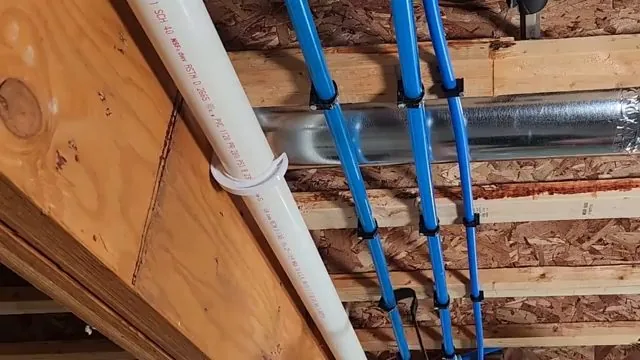
PEX repiping and other materials
PEX is a flexible plastic pipe widely used for supply lines. It bends around corners, which can mean fewer fittings and fewer openings in walls than rigid pipe. Copper is the other common choice. Which one fits depends on the house, the access and your preference.
| PEX | Copper | |
|---|---|---|
| Flexibility | Bends around corners, fewer joints | Rigid, more joints |
| Installation | Usually less cutting into walls | Often more openings |
| Durability | Resists corrosion | Long-lived, but can develop pinholes depending on conditions |
| Ask about | Manufacturer warranty and fittings used | Where the joints will be and how they are made |
PEX pipe installation is a common part of a repipe, and it should be installed to the manufacturer's instructions with the right fittings. Ask what is being used and where.
Repair or repipe: how to decide
- One leak in a pipe that is otherwise fine: repair it.
- A second or third leak within a short time: ask for a repair price and a repipe price side by side.
- A material known to fail, such as polybutylene: repiping is worth pricing.
- Low pressure throughout the house from corroded pipe: repiping may be the cause and the fix.
- Selling the house: ask whether a failing supply line would come up in an inspection.
Ask the plumber to show you what is wrong, not only to describe it. A camera or an opened section can show corrosion. If the plumber says the lines are failing, ask which ones and why, so you are not paying to replace pipe that still has years left.
What a repipe involves
- A survey and a plan. The plumber looks at the supply lines, the fixtures and access to decide the route and which lines to replace.
- A permit. Repiping is outside Oregon's minor-repair exemption, so expect a permit. Ask who pulls it and how inspection works with the City of West Linn Building Division or the permit office it directs you to.
- Water off, new lines in. The water is shut off while the new lines are run. Ask how long it will be off and whether you will have water at night.
- Openings and patching. Walls or ceilings are opened where needed. Ask who patches and paints, and whether that is in the quote.
- Testing and restoring. The new lines are pressure tested before the walls are closed.
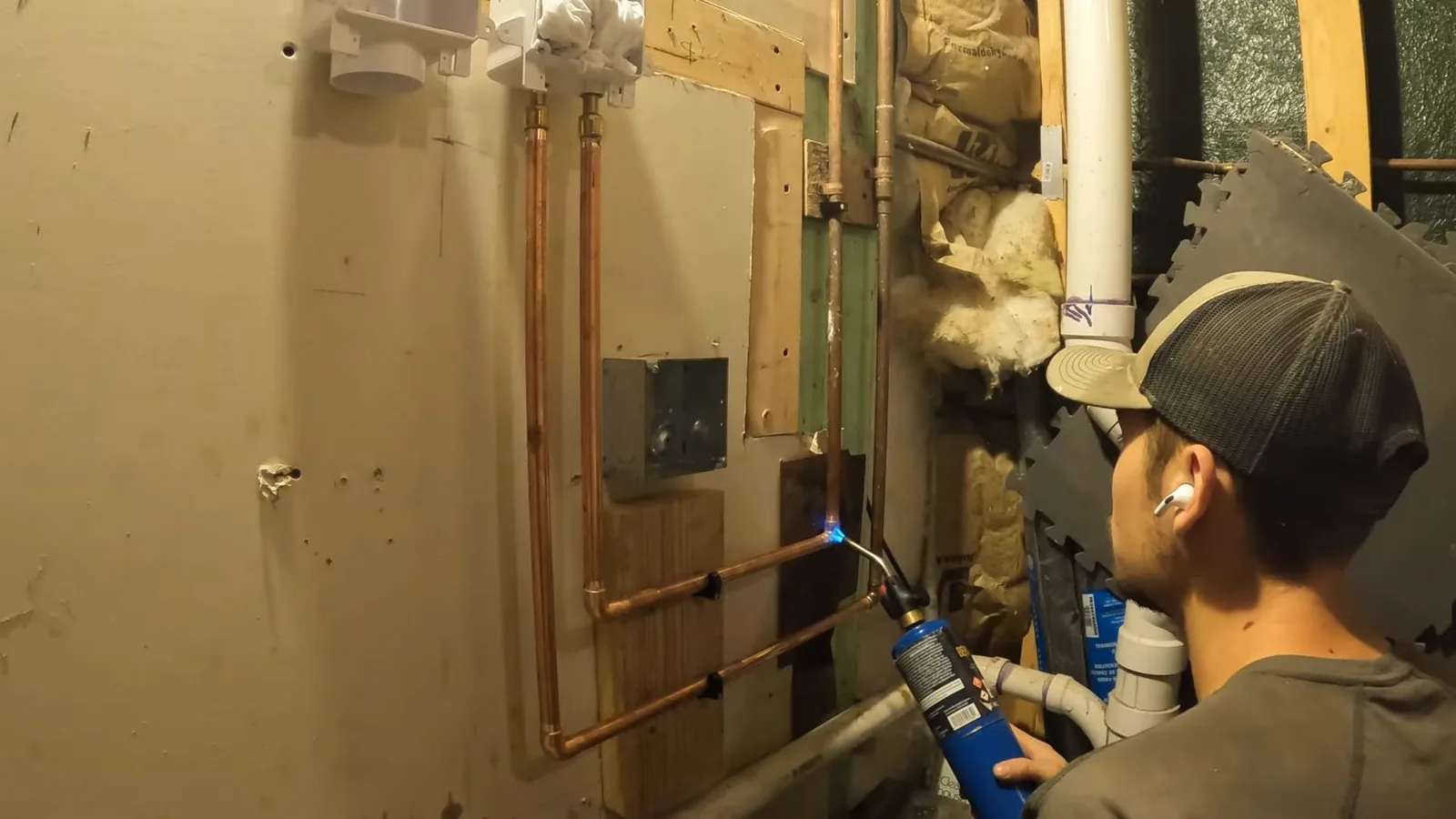
Galvanized steel and other older supply pipe
Older homes may have galvanized steel pipe, which corrodes from the inside and narrows over the years. The result is low pressure and rust-colored water that does not clear after running the tap.
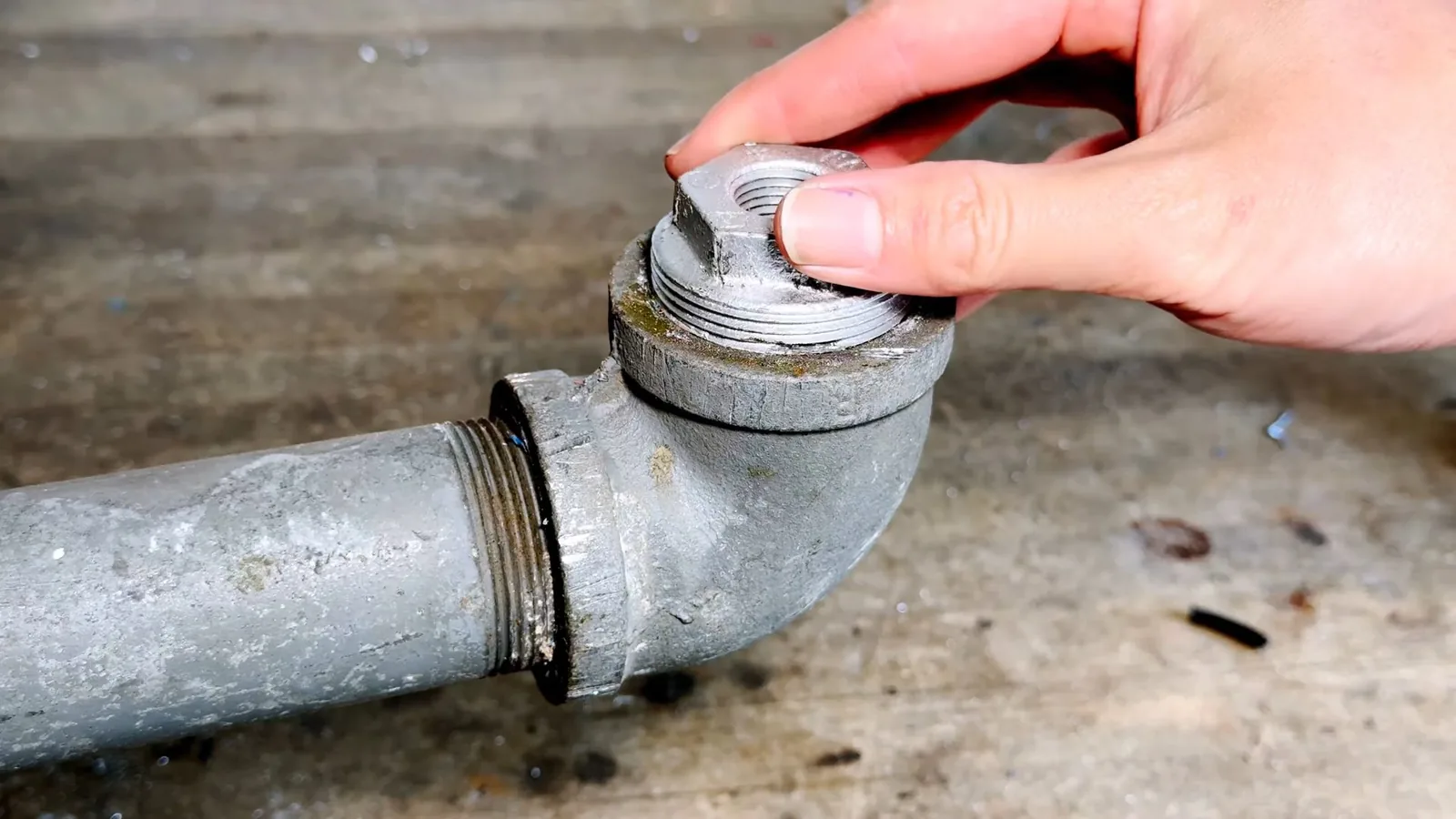
Galvanized pipe is not likely in newer homes. If your house was built before the 1960s and has never had its supply lines replaced, ask what the pipes are. Some neighborhoods in West Linn, such as Bolton and Willamette, have older homes, but the age of an individual house is what counts.
Whole-house or partial repipe, and what changes the price
- The number of fixtures, bathrooms and floors.
- How easy it is to reach the pipes through crawlspaces, attics and walls.
- The material chosen and the fittings used.
- How much drywall has to be opened and patched.
- The permit and inspection.
A partial repipe, such as one bathroom or one wing, is a reasonable choice when only one section is failing. Ask whether the rest of the line is likely to follow.
Questions to ask before you agree to a repipe
- What exactly is wrong with the current pipes, and can you show me?
- Is this a whole-house or a partial repipe, and which lines are included?
- What pipe and fittings will be used, and what does the manufacturer warrant?
- Who pulls the permit and schedules the inspection?
- How long will the water be off, and who patches the walls?
Lead, water quality and your pipes
West Linn's 2023 water quality report says lead and copper were not detected at the 90th percentile in 2021 sampling, and that lead in drinking water comes mainly from service lines and home plumbing. It recommends running the tap for 30 seconds to 2 minutes after water has sat for hours, and testing if you are concerned. Repiping is not the first answer to a lead worry, and testing comes first.
Details for a repiping call
- The year the house was built, and the pipe material if you know it.
- What has been leaking, and how many times.
- Pressure and water color problems.
- Photos of visible pipe near the water heater and under sinks.
- Whether you plan to sell, remodel or stay.
Repiping questions
Could my home have polybutylene pipe, and should I repipe?
Polybutylene is a gray, blue or black plastic supply pipe installed in homes from about 1978 to 1995, often marked PB or Qest. Whether West Linn homes have it is not established. Check when your house was built and look at the supply pipes near the water heater and under sinks. If it is present, ask a plumber to inspect it and price a repipe.
When does a repipe make more sense than repairing leaks?
When leaks keep appearing in different places, when the pipe material is known to fail, or when corrosion is causing low pressure or discolored water. For a single leak in a sound pipe, repair is usually enough. Ask for a repair price and a repipe price side by side.
Leaks or old pipes? Call West Linn OR Expert Plumbers
Tell us when the house was built, what has leaked and what the pipes look like. You will hear whether a repair or a repipe is worth pricing. The how repipe quotes work section explains what drives the price.