
Finding the leak · West Linn, OR
West Linn Water Leak Detection Services: Meter Checks, Hidden Leaks and High Bills
A water bill that jumped, a stain on a ceiling or a sound of running water when everything is off all point to a leak you cannot see. The first job is to find it without tearing out more than you have to.
Call West Linn OR Expert Plumbers with what you have noticed. A plumber can tell you what to check first and when a hidden leak needs a visit.
Check the water meter before anything else
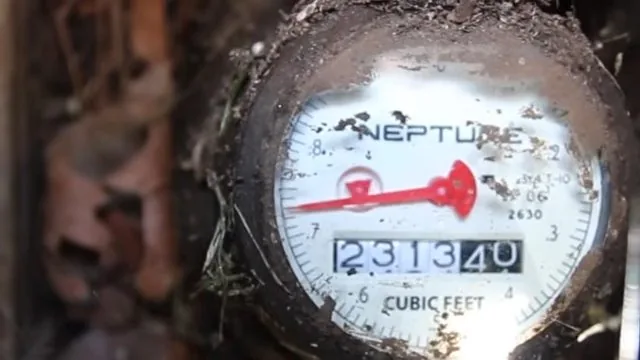
Your water meter shows whether water is moving through the house when you are not using any. Wilsonville's utility billing page, from a neighboring Oregon city, gives the steps. Your own meter's lid and dial may look different, so the City of West Linn can show you how to read yours.
- Turn everything off. Close every faucet, and make sure the dishwasher, washing machine and ice maker are not running.
- Look at the meter. If the dial or the low-flow indicator is moving, water is going somewhere.
- Read it, wait, read again. Note the reading, wait an hour without using water, and look again. A changed number points to a leak.
- Shut the main and compare. If the meter stops when you close the main shutoff at the house, the leak is inside the house. If it keeps moving, the leak may be on the line between the meter and the house.
That last step matters because it narrows where a plumber has to look, which saves time and cost.
The leaks nobody sees: signs worth acting on
- A water bill that rose with no change in how you live.
- The sound of water running when every fixture is off.
- A damp, musty smell in a closet, a cabinet, a basement or a crawlspace.
- Stains, bubbling paint or a soft patch on a ceiling or wall.
- Warped or lifting floors, or a floor that feels warm.
- A wet patch or unusually green strip of lawn between the meter and the house.
- Water pressure that dropped for no reason.
A small leak is cheaper to handle than a large one. Water that is left to seep also wets framing and flooring, and the water damage restoration page explains what drying involves once that has happened.
If water is coming through a ceiling, or the ceiling is bulging: stay out from under it, shut off the main water, and call. If the ceiling is below a bathroom or a water heater, the source is probably above it.
Catch small leaks early: why it pays
The cheapest leak is the one you handle early. Check for visible leaks now and then: under sinks, behind toilets, around the water heater and at hose bibs. Handle small leaks early, because the damage caused by ignoring leaks grows quietly into soaked framing, flooring and mold.
What leak detection involves
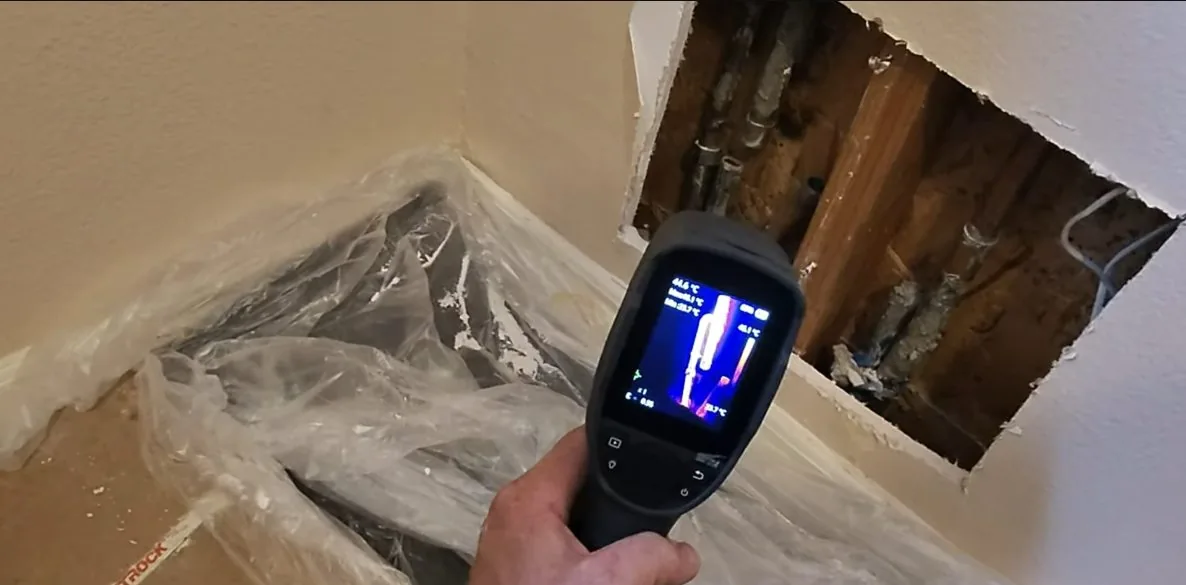
A plumber starts with what you have seen and with the meter test, then narrows the area before opening anything. Common tools include listening devices that pick up the sound of escaping water, moisture meters, thermal imaging cameras that show temperature differences, and pressure tests that isolate a section of pipe.
Advanced leak detection technology covers more than listening. Electronic leak detection uses sensitive microphones and sensors, infrared leak detection reads temperature differences on a surface, and tracer gas methods, including helium leak detection, push a harmless gas through a pipe to show where it escapes. Which one fits depends on the pipe and the space, and a plumber will say which is being used and why.
These tools find where to look. They do not repair anything, so the plumber still has to confirm the spot and open only that area. Ask what the finding is based on before a wall or floor is cut.
Where leaks hide in a house
Ceilings and behind walls
Water travels. A stain on a ceiling can sit well away from the pipe that caused it, and a leak behind a wall may show only as a damp baseboard or a musty smell. The plumber follows the water back to its source.
Copper pipe pinhole leaks
A pinhole leak is a tiny hole, often in copper pipe, that sprays or seeps. It can be hard to see and may wet a wall for a long time. Pinholes tend to point to wear in that section of pipe, so ask whether more of the line is likely to follow.
Basement and crawlspace leaks
If your home has a basement or crawlspace, check pipe runs, the water heater and the base of the walls for damp or drips. This applies only to homes that have those spaces.
Yard and service-line leaks
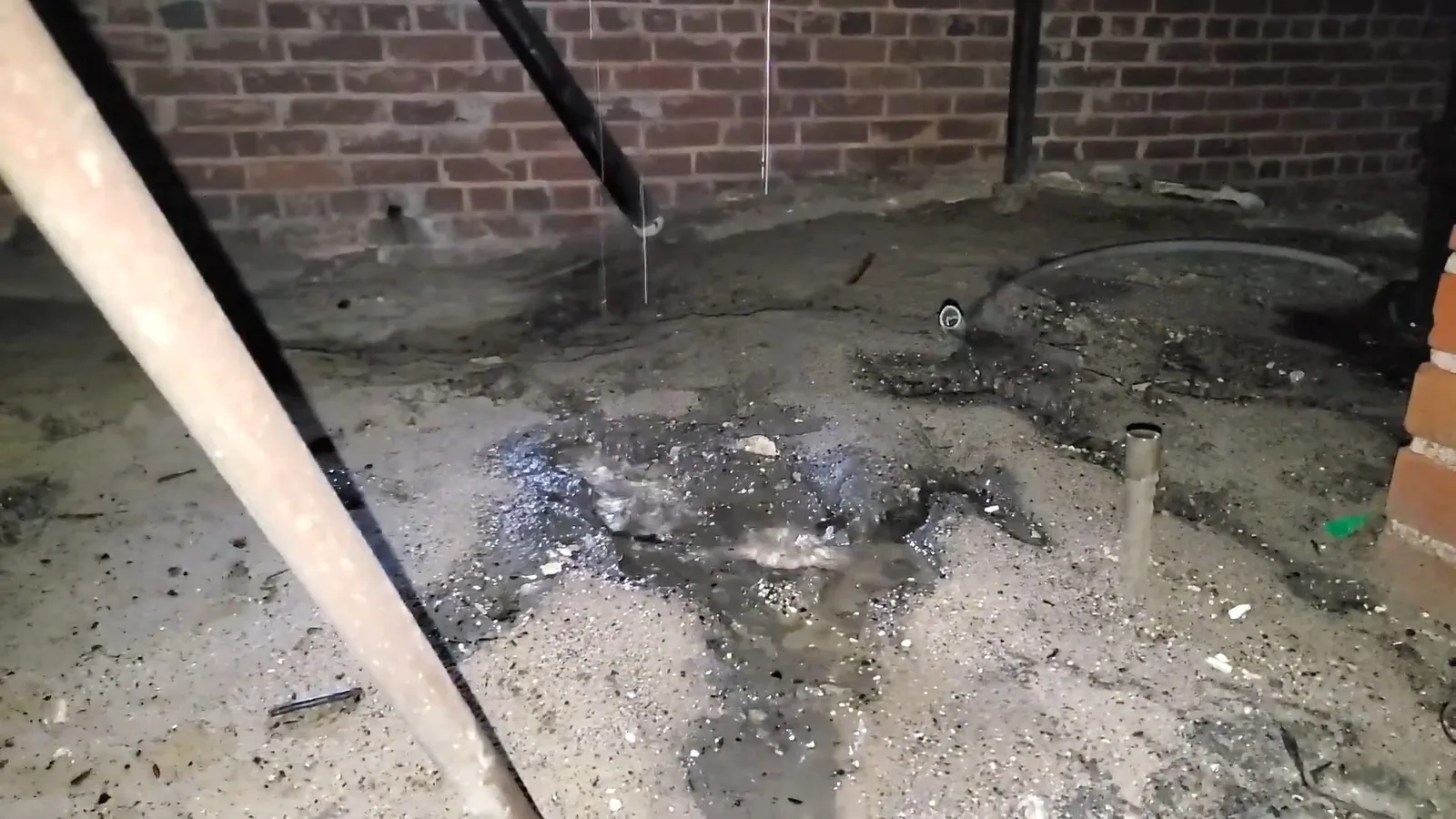
Water that surfaces in the yard, a soft or green patch, or a meter that keeps moving after the house is shut off can mean a leak on the line that carries water to the house. Ask the City of West Linn where the City's side of the meter ends and yours begins before work starts.
Gas, roof, pool and sprinkler leaks: who to call instead
This page is about water leaks in and around the house plumbing. Some leaks people search for under the same words belong elsewhere.
- Gas: if you smell gas, leave the building, call 9-1-1, then call NW Natural from outside. That is a utility emergency first. If you want gas piping in your house checked, say so on the call.
- Roof and gutter leaks: these are usually a roofer's work. A plumber can tell you if the water you found came from a pipe or from outside.
- Pool and spa leaks, and sprinkler and irrigation lines: these are specialist systems. Ask on the call whether the job fits before booking.
- Commercial buildings: mention it on the call, because the equipment and access are different.
Leaky ceilings causing water stains are a common first sign, and a swimming pool leak detection call is a different specialty from household plumbing.
A leak behind a toilet or under a sink is often a simple fixture repair. The pages on toilet repair and faucet and sink repair cover those.
Toilets and fixtures: leaks that look hidden
A toilet that leaks into the bowl is one of the most common reasons for a rising bill, and you can test it in minutes. The Wilsonville page above suggests adding a few drops of food coloring to the tank without flushing. If color shows up in the bowl within about 10 minutes, the tank is leaking into the bowl.
You can also close the toilet's own shutoff valve and watch the meter. If the meter stops, the toilet was the leak. Check hose bibs outside too, and make sure they are fully closed and not dripping.
Appliances are another source. A dishwasher, refrigerator ice maker, water heater, washing machine or water softener can all leak at a hose or fitting, so look for standing water, warped flooring or the sound of water running.
When a leak becomes a burst pipe
If water is flowing fast or spraying, do not wait for a detection visit. Shut off the main water, open a faucet at the lowest point to relieve pressure, and call. The burst pipe repair page covers that.
A leak under a concrete floor is a separate case, and the page on slab leak detection explains how to tell whether your home even has a slab.
Details that help a leak detection call
- The meter test result: moving or still, with all water off.
- Whether the bill rose, by how much and since when.
- Where you saw a stain, drip, smell or sound.
- Whether the home has a basement, crawlspace or concrete floor, and roughly when it was built.
- Whether you have already shut off the main.
Leak detection questions
Why did my water bill jump when I see no leak?
A hidden leak is the first thing to rule out. Turn off all water, check whether your meter still moves, and compare the reading after an hour. Running toilets and irrigation lines are common sources. If the meter keeps moving, call a plumber and say what you found.
Suspect a hidden leak? Call West Linn OR Expert Plumbers
Tell us what the meter did, where you noticed damp or sound, and what you have shut off. You will hear what to check next and whether a visit is needed. The shutoff and safety answers cover the first steps.